
Cannes Review: ‘Atlantics’ (Atlantique) is beautiful, painful and poetic
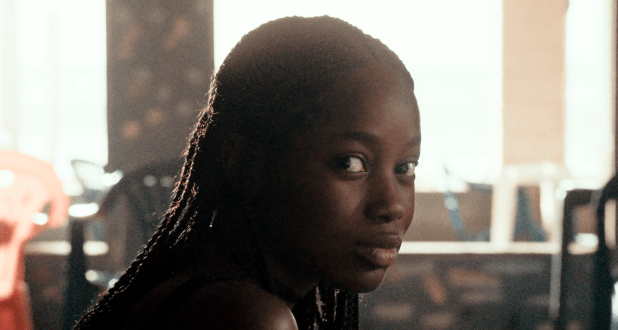
Mati Diop’s film, the first in competition feature for a black woman at Cannes, is as poetic as it is urgent
Few films possess this rare poetic and artistic quality and nuanced approach in highlighting deeply humane and equally troubling social issues as Mati Diop’s Atlantique. Never falling into the trap of over-sentimentality, the film is beautiful yet painful, poetic yet urgent.
Dakar is about to have one of its most glamorous and tallest towers. Dubbed the ‘tower of miracles,’ the project is an expensive undertaking by one of the city’s wealthiest businessmen. Hundreds of skilled but low-income workers have been tasked to build the tower, but have not been paid in over 4 months. Attempting to protest and demand their pay rights, they gather at the management office asking for their money. When they fail, they decide to flee. The sea, an omni-present character in the film, is their only hope and refuge. Together, they leave Dakar, hoping for a better future.
One of these workers is Suleiman, a young man who is deeply in love with Ada, a local girl whose conservative family is about to force to marry from a wealthy businessman. Suleiman leaves Ada behind without saying goodbye. Soon after, her wedding takes place and a string of strange happenings kicks off.
Diop’s screenplay selects a fantastic metaphorical narrative device to convey the plight of those who leave their homes, families and villages every single day hoping to find hope, solace and income by crossing over to Europe by sea. Instead of a heavy-handed approach, Diop smartly surprises the viewers in the second half, painting a poetic, beautiful and harrowing picture of what it’s like to disappear: disappear from loved ones, disappear into the sea and vanish from life altogether. It is an unexpected, but supremely powerful approach, that never feels pretentious nor derivative. Reminiscent of Alice Rohrwacher’s Happy As Lazzaro (presented in competition last year at Cannes), Diop mixes the real world’s agony with dreamy fantasy, only to then ground it masterfully in an utterly believable dramatic context.
One of the key strengths of the film is silence. Shots of waves clashing to the shore, agonizing characters staring into the void and teary, weary eyes waiting for the lost souls fill the film with poetry, contemplation and reflection. Rather than overstuffing the story with dialogue, Diop lets us breath, dream and reflect with the characters – and experience what it’s like to ask questions but never have them answered, building castles of hope on sand that’s soon going to be crushed by life’s brutal waves.
Stunning in concept, beautiful in execution, Atlantique is one of the most imaginative films to come from Africa in a long time. It is worthy of celebration, not only because Diop is the first black woman to ever have a film in competition at Cannes but also because regardless of the director’s gender or ethnicity, this is a film that is worthy of such a major spotlight at the world’s most prestigious film festival.
Grade: A-

- ‘Silent Friend’ Review: Ildikó Enyedi’s Hypnotic Saga is One of the Year’s Best Films [A] Venice - September 8, 2025
- ‘Girl’ Review: Shu Qi’s Directorial Debut Finds Heart in the Face of Grim Oppression [B] Venice - September 4, 2025
- ‘My Father and Qaddafi’ Review: Jihan K Crafts a Moving Portrait of Living Under a Regime of Brutality [A-] Venice - September 3, 2025
 Carrie Preston (‘Elsbeth’) on the Resurgence of Broadcast Television and What She Sees for Season 4 [VIDEO INTERVIEW]
  AwardsWatch Podcast Ep. 345: Recapping the 79th Cannes Film Festival and Looking to the Awards Future
  ‘The Beloved’ Review: Javier Bardem Makes a Meal Out of Rodrigo Sorogoyen’s Movie-Making Buffet [B]
  ‘The Dreamed Adventure’ Review: Valeska Grisebach’s Observant Thriller Examines the Grey Zones of Morality [B+]